
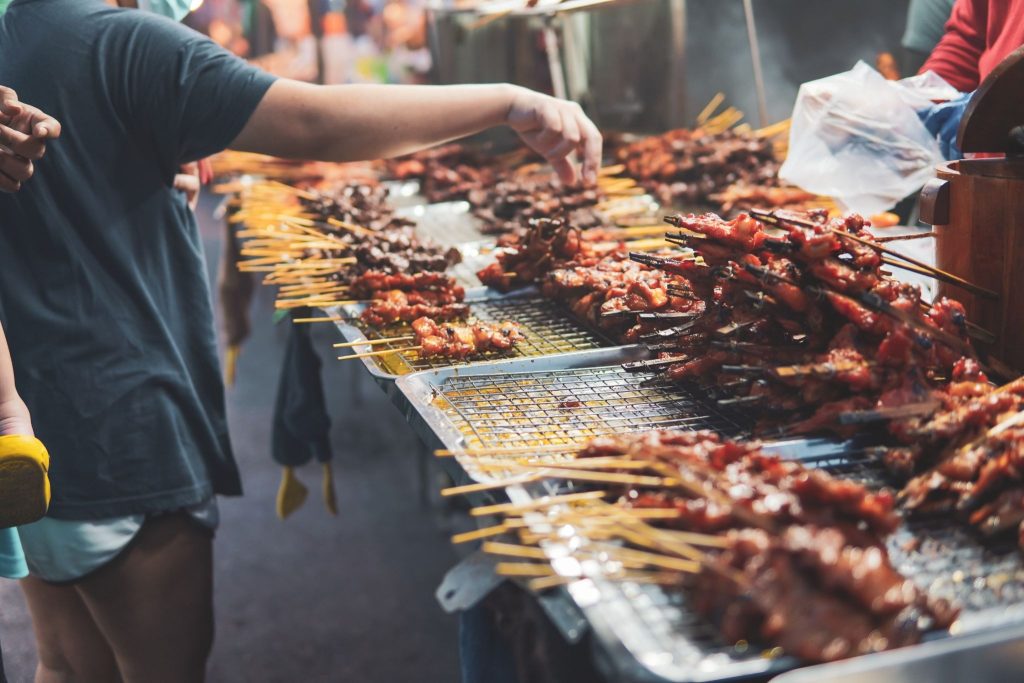
Street food markets are open-air or semi-structured food hubs where multiple vendors sell ready-to-eat meals in public spaces. They can be permanent locations or temporary setups like night markets, festivals, or street corners. Unlike restaurants, they focus on speed, accessibility, and informal dining experiences.
These markets are deeply embedded in everyday life, especially in urban areas. They serve students, workers, travelers, and families looking for affordable and quick meals. What makes them unique is the combination of variety and authenticity in one place.
Street food markets are not just about eating. They reflect local culture, economic conditions, and social behavior. In many cities, they are an essential part of daily food culture rather than just an alternative to restaurants.
Historical Development of Street Food Markets
Ancient marketplaces and early street vending
Street food has existed for thousands of years. In ancient civilizations like Rome, China, and Egypt, vendors sold prepared food in busy public areas. These early versions of street food markets served workers and travelers who needed quick meals outside their homes.
Food stalls were common near trade routes, temples, and city centers. They offered simple, affordable meals that were easy to consume on the go. This created the foundation of modern street food culture.
Urbanization and the rise of informal food economies
As cities expanded during industrialization, more workers needed fast and inexpensive meals. Street vendors filled this gap. Informal food economies grew rapidly in densely populated urban areas.
Street food became a survival strategy for many small entrepreneurs. It required low investment and provided quick income opportunities. Over time, entire neighborhoods developed around food vending.
How globalization transformed street food scenes
Globalization introduced new ingredients, cooking styles, and influences into street food markets. Today, you can find fusion dishes that combine multiple cultures in one plate.
Street food is no longer limited to local recipes. It now includes global flavors adapted to regional tastes. This evolution has made street food markets more dynamic and diverse than ever before.
Why Street Food Markets Are So Popular Today
Street food markets continue to grow in popularity for several practical reasons. First is affordability. They offer meals at lower prices compared to restaurants, making them accessible to a wide range of people.
Second is convenience. Food is prepared quickly, which suits modern urban lifestyles where time is limited. Many people prefer grabbing a meal on the go instead of sitting in formal dining spaces.
Third is variety. A single market can offer dozens of different cuisines, from local dishes to international favorites. This variety allows people to explore different tastes in one visit.
Finally, there is authenticity. Many street food dishes are prepared using traditional recipes passed down through generations. This gives customers a genuine cultural experience.
Cultural Diversity Found in Street Food Markets
Asian street food culture and night markets
Asia is known for some of the most vibrant street food markets in the world. Countries like Thailand, India, China, and Vietnam have rich street food traditions. Night markets are especially popular, offering everything from noodles to grilled snacks and desserts.
Food is often prepared in front of customers, adding to the experience. The atmosphere is lively, social, and deeply connected to local culture.
Latin American food stalls and local specialties
In Latin America, street food is an essential part of daily life. Tacos, empanadas, arepas, and grilled meats are commonly found in street stalls.
These markets are often family-run businesses. Recipes are passed down through generations, preserving cultural identity through food.
Middle Eastern and African street food traditions
Middle Eastern street food includes shawarma, falafel, and grilled meats. These dishes are widely available in busy urban areas and reflect strong culinary traditions.
In Africa, street food varies widely by region. From grilled maize to spicy stews, street vendors play a key role in feeding urban populations.
Western urban food truck movements
In Western countries, food trucks have become a modern version of street food markets. They offer gourmet-style dishes in mobile setups.
Cities like New York, London, and Los Angeles have embraced this trend, blending traditional street food concepts with modern culinary innovation.
Economic Importance of Street Food Markets
Street food markets play a major role in local economies. They provide employment opportunities for thousands of small vendors who may not have access to formal business structures.
They also support micro-entrepreneurship. Many vendors start with minimal investment and grow their businesses over time. This makes street food an important entry point into the food industry.
Tourism is another major factor. Many travelers specifically visit street food markets to experience local cuisine. This boosts local income and promotes cultural exchange.
In addition, street food markets contribute to urban economic activity by increasing foot traffic in commercial areas.
Social Experience and Community Value
Street food markets are more than just places to eat. They are social spaces where people gather, interact, and share experiences.
Customers often return to the same vendors, building relationships over time. This creates a sense of community between buyers and sellers.
These markets also reflect urban lifestyle culture. They are common meeting points for friends, families, and even tourists exploring a city.
In many places, street food markets become part of nightlife culture, offering food late into the evening in a relaxed environment.
Health, Safety, and Regulation Challenges
Despite their popularity, street food markets face challenges related to hygiene and regulation. Food safety standards vary widely depending on location and enforcement.
Governments often struggle to balance regulation with economic support for vendors. Too much regulation can harm small businesses, while too little can raise health concerns.
Public perception also plays a role. Some people associate street food with lower hygiene standards, even though many vendors maintain high quality practices.
Improving infrastructure, training, and monitoring systems can help address these challenges without harming local economies.
Influence of Social Media on Street Food Markets
Viral food trends and online popularity
Social media has transformed street food markets into global attractions. A single viral video can turn a local vendor into an international sensation.
Foods that are visually appealing often gain the most attention online. This has changed how vendors present and prepare their dishes.
Food influencers and global exposure
Food bloggers and influencers play a major role in promoting street food. They highlight unique dishes and local vendors, bringing global attention to small businesses.
This exposure can significantly increase customer traffic and revenue for vendors.
Visual appeal and food presentation culture
Presentation has become increasingly important. Bright colors, dramatic cooking methods, and unique plating styles are often designed for social media visibility.
Future of Street Food Markets
The future of street food markets is evolving with technology and sustainability trends. Digital payments are becoming more common, reducing reliance on cash transactions.
Eco-friendly packaging is also gaining importance as environmental awareness increases. Many vendors are shifting toward biodegradable materials.
Some street food markets are becoming more organized and gourmet-focused, blending traditional street food with modern dining expectations.
Tourism boards in many cities are also officially promoting street food markets as cultural attractions.
Final Reflection on Street Food Markets
Street food markets remain one of the most important parts of global food culture. They combine affordability, diversity, and cultural authenticity in a way few other food systems can.
They represent both tradition and innovation. While rooted in history, they continue to adapt to modern lifestyles and global influences.
Their importance goes beyond food. They support economies, build communities, and preserve cultural identity.
As cities grow and lifestyles change, street food markets will continue to evolve while maintaining their core identity as accessible, vibrant, and culturally rich food spaces.
FAQs
1. What are street food markets?
Street food markets are public spaces where multiple vendors sell ready-to-eat meals, offering affordable and diverse food options in informal settings.
2. Why are street food markets so popular?
They are popular because they are affordable, fast, diverse, and offer authentic local food experiences in a lively social environment.
3. Are street food markets safe to eat at?
Most are safe, but hygiene standards vary. Choosing busy vendors with high turnover often indicates fresher food and better safety practices.
4. How do street food markets support local economies?
They create jobs, support small entrepreneurs, attract tourists, and contribute to local business activity in urban areas.
5. What is the future of street food markets?
They are moving toward digital payments, sustainability, and gourmet-style offerings while maintaining their traditional cultural identity.