Food traditions are more than recipes passed down through generations. They represent identity, history, and shared memory. Every culture uses food to express who they are and where they come from. What people eat, how they prepare it, and when they eat it often reflects deep cultural meaning. In many societies, meals are not just about nutrition. They are social events. They bring families together, mark celebrations, and even define religious practices. Over time, food traditions become part of cultural identity. They are preserved carefully because they connect people to their roots. Different regions have developed unique food traditions based on environment, history, and cultural exchange. This is why cuisine varies so widely across the world, even when ingredients seem similar.
Regional Influences on Food Traditions
Climate and geography shaping ingredients
Climate plays a major role in shaping food traditions. In colder regions, people rely on preserved foods, root vegetables, and hearty meals. In warmer climates, fresh fruits, vegetables, and lighter dishes are more common. Geography determines what can grow locally, and this directly influences daily meals.
Local agriculture and availability of resources
Agricultural practices also define food habits. Regions that grow rice naturally develop rice-based diets. Areas with abundant livestock often focus on meat and dairy. Over time, these patterns become deeply embedded in cultural cooking styles.
Trade routes and cultural exchange
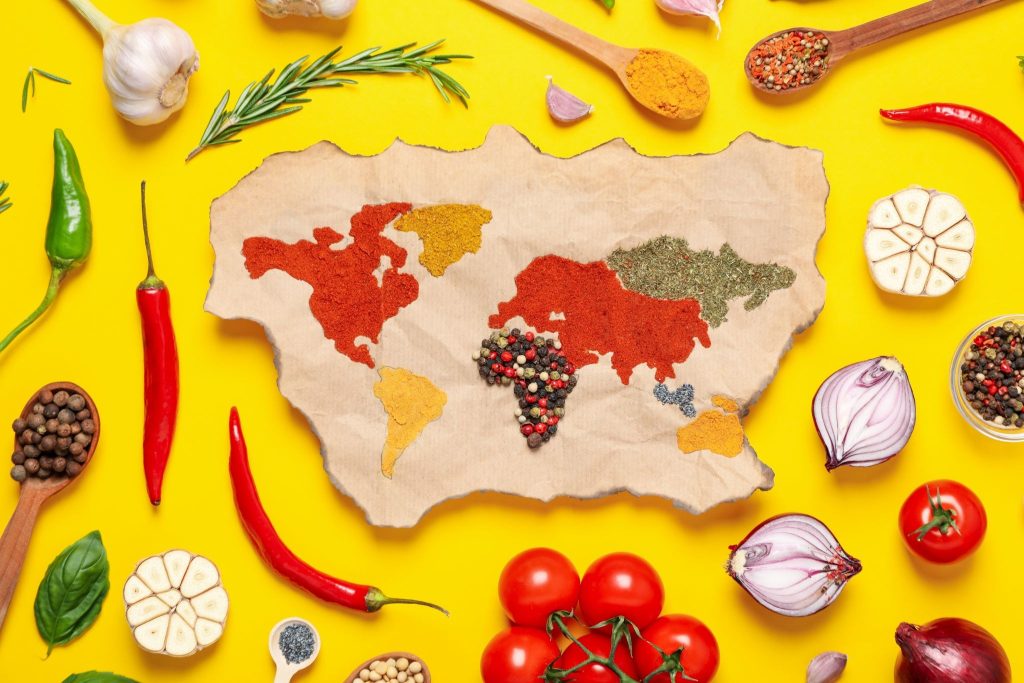
Historical trade routes introduced new ingredients and cooking techniques. Spices, grains, and cooking methods spread between continents. This exchange enriched local cuisines and created hybrid food traditions that still exist today.
Food Traditions in Asia
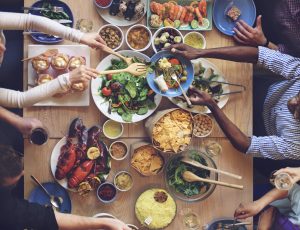
Asia is one of the most diverse regions in terms of cuisine. Rice is a staple in many countries, forming the base of daily meals. However, preparation styles vary widely. Spices are essential in many Asian food traditions. Countries like India, Thailand, and Indonesia use complex spice blends to create rich flavors. In East Asia, balance and harmony in taste are more important, often focusing on umami and freshness. Meal structure is also culturally significant. In many Asian societies, food is shared communally. Family-style dining is common, where multiple dishes are placed in the center of the table. This reflects values of sharing and togetherness. Religious influences also shape food traditions. Vegetarian diets in parts of India are linked to religious beliefs. In contrast, countries like Japan emphasize seasonal ingredients, reflecting respect for nature.
Food Traditions in Europe
Mediterranean dietary patterns and lifestyle
In Southern Europe, especially around the Mediterranean, food traditions focus on fresh vegetables, olive oil, fish, and grains. Meals are often slow and social. Eating is seen as part of a balanced lifestyle.
Northern European preservation methods
In colder Northern European regions, traditional food preservation methods like smoking, pickling, and curing are common. These techniques developed out of necessity during long winters. Foods like smoked fish and cured meats remain cultural staples.
Role of bread, cheese, and wine culture
Bread, cheese, and wine are central to many European food traditions. Each country has its own variations. These foods are often linked to heritage and regional pride. They also play an important role in festivals and social gatherings.
Food Traditions in the Middle East and Africa
In the Middle East and Africa, food traditions are deeply connected to hospitality. Guests are often welcomed with generous meals. Sharing food is a cultural value. Spices, grains, and legumes are commonly used ingredients. Dishes are often slow-cooked, allowing flavors to develop deeply. Bread is a staple in many households and is used in nearly every meal. Religion also plays an important role. Dietary laws in Islam and other faiths influence what is eaten and how food is prepared. Festive meals during religious celebrations are central to cultural identity.
Food Traditions in the Americas
The Americas have highly diverse food traditions shaped by Indigenous heritage and global immigration. Native ingredients like corn, beans, and squash remain foundational in many cuisines. Over time, European, African, and Asian influences blended with local traditions. This created fusion cuisines that are unique to the region. Street food culture is especially strong in many parts of Latin America and North America. It reflects accessibility, creativity, and cultural mixing. Modern food trends continue to evolve while still respecting traditional roots.
How Religion and Beliefs Shape Food Traditions
Religion is one of the strongest influences on food traditions worldwide. Many faiths include dietary guidelines. These rules determine what foods are allowed and how they are prepared. Fasting practices are also common. They are used for spiritual reflection and discipline. During religious festivals, special meals are prepared that hold symbolic meaning. Certain ingredients carry cultural or spiritual symbolism. For example, bread can represent life and sharing, while spices may be linked to rituals or celebrations. These beliefs help preserve food traditions across generations.
Globalization and Changing Food Traditions
Globalization has significantly changed food traditions. International food chains and fast food culture have spread across the world. This has introduced new eating habits, especially in urban areas. At the same time, cuisines are blending more than ever. Fusion dishes combine elements from different cultures. This creates new food experiences but can sometimes dilute traditional practices. However, many communities are actively preserving their culinary heritage. Traditional cooking methods are being documented and taught to younger generations. Food tourism also plays a role in keeping traditions alive.
Why Food Traditions Still Matter Today
Food traditions are essential for cultural identity. They connect people to their history and ancestors. They also strengthen family bonds through shared meals. In a globalized world, food traditions provide a sense of belonging. They remind people of their roots even when living far from home. From a broader perspective, food traditions also support cultural diversity. They enrich global cuisine and encourage understanding between different cultures. Tourism industries also benefit from authentic food experiences. Preserving these traditions is important not just for culture but for sustainability. Traditional diets often use local, seasonal ingredients, which are more environmentally friendly.
FAQs
1. What are food traditions?
Food traditions are cultural practices related to cooking, eating, and sharing food that are passed down through generations within communities.
2. Why do food traditions vary across countries?
They vary due to climate, geography, religion, history, and available ingredients, which shape how each culture prepares and consumes food.
3. How does globalization affect food traditions?
Globalization introduces new cuisines and fast food culture, but it can also blend cuisines and sometimes reduce traditional cooking practices.
4. Are food traditions linked to religion?
Yes, many religions influence food traditions through dietary rules, fasting practices, and special ritual meals during festivals.
5. Why is it important to preserve food traditions?
Preserving food traditions maintains cultural identity, supports heritage, promotes sustainability, and strengthens community and family connections.