Equipping a commercial kitchen is a foundational task that directly dictates the operational efficiency and output quality of your culinary venture. Whether you are launching a new cafe or upgrading an established restaurant, the selection of your equipment and tools requires a methodical approach.
High-quality items are not merely assets; they are the backbone of your daily workflow, influencing everything from food safety compliance to the speed of your service.
Analyzing Operational Needs and Workflow Efficiency
Before purchasing, you must conduct a thorough assessment of your specific menu requirements and kitchen layout. The equipment you choose should be dictated by the types of dishes you serve and the volume of orders you expect during peak hours.
When searching for catering supplies, focus on items that streamline your prep time rather than cluttering your workspace.
A well-designed kitchen utilizes tools that harmonize with your existing workflow, ensuring that your team can prepare, cook, and plate orders without unnecessary physical interference.
Prioritizing Durability and Professional Grade Standards
Commercial kitchens operate under intense heat, heavy usage, and strict sanitation standards that household equipment cannot withstand. Investing in professional-grade tools is essential for long-term cost management.
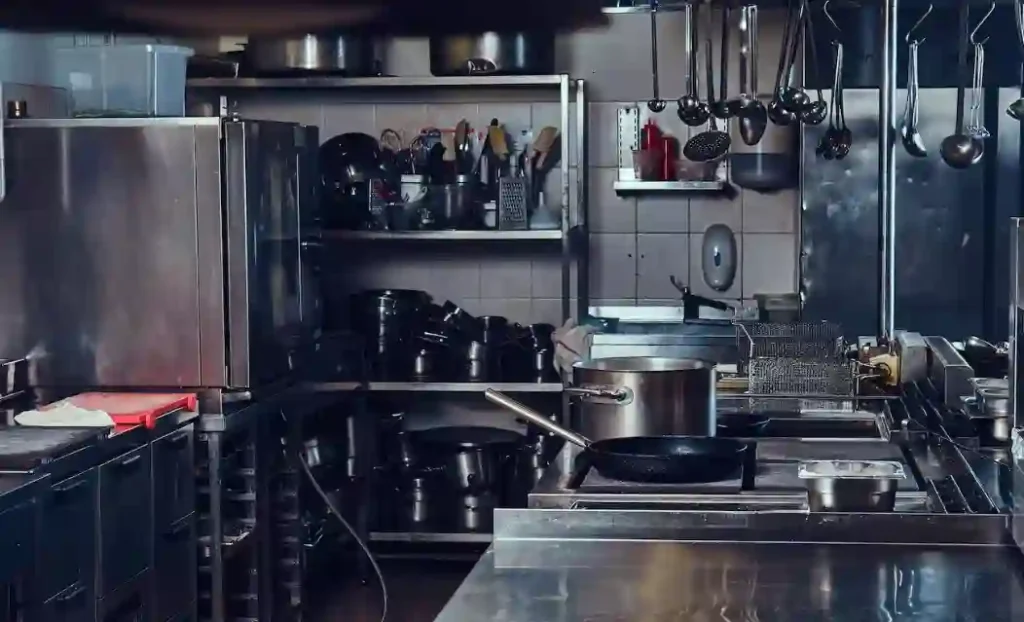
Look for robust materials such as stainless steel, which is resistant to corrosion, easy to sanitize, and capable of enduring the rigors of high-volume cooking.
Selecting durable catering supplies significantly reduces the frequency of replacements, allowing you to allocate your capital toward other areas of growth rather than constant maintenance or equipment failure.
Ensuring Compliance With Health and Safety Regulations
Food safety is the absolute priority in any professional kitchen environment. All equipment, from storage containers to cutting boards, must comply with local health department regulations.
When sourcing materials, verify that surfaces are non-porous and easy to clean to prevent bacterial growth. Many professional items are specifically designed with rounded corners or modular parts to facilitate deep cleaning.
By strictly adhering to these regulatory standards, you protect your customers and avoid the legal risks associated with foodborne illnesses and failed health inspections.
Managing Budgetary Constraints and Long-Term Value
While the temptation to purchase the cheapest available option is strong, initial savings often lead to higher costs through premature replacement. Evaluate your options based on the total cost of ownership, which includes energy consumption, maintenance requirements, and expected lifespan.
Investing in high-quality catering supplies often results in better energy efficiency, which lowers your monthly utility overhead.
Create a list of your most critical needs and prioritize those that will provide the highest return on investment, balancing immediate financial needs with the sustainability of your operation.
Assessing Vendor Reliability and Support Services
The relationship you build with your suppliers is as important as the products they provide. Reliable vendors offer more than just goods; they provide technical support, warranty services, and fast delivery timelines when emergencies arise.
Before finalizing a purchase, research the reputation of your vendors and ask about their return policies and customer service availability. A dependable partner can help you manage your inventory levels and alert you to new, innovative tools that can improve your kitchen output.