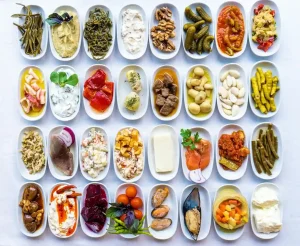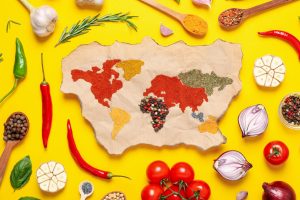
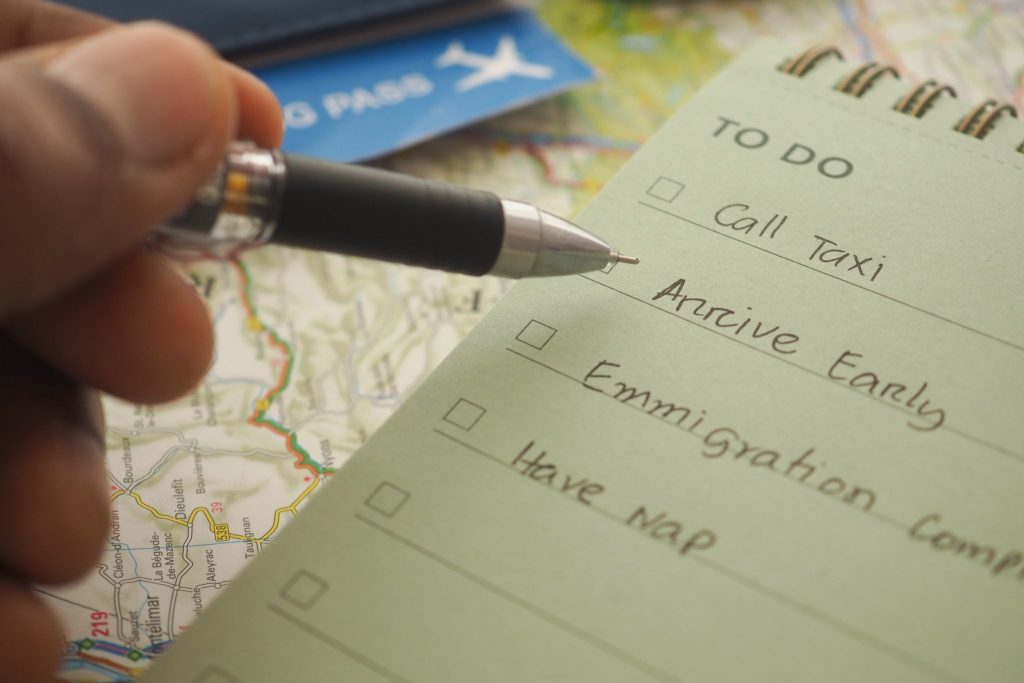
A food travel itinerary is a structured plan that focuses on culinary experiences as the core of travel. Instead of treating food as a side activity, it becomes the main reason and framework for exploring a destination. This type of itinerary includes restaurants, street food markets, local dishes, cooking classes, and food tours.
Food-focused travel is different from traditional tourism because it prioritizes taste, culture, and eating experiences over landmarks alone. In many modern travel trends, food is now one of the strongest motivations for choosing a destination. People travel to explore flavors, not just places.
A well-planned food travel itinerary helps travelers experience authentic cuisine while still balancing time, budget, and sightseeing. It ensures that food exploration feels structured but not overwhelming.
Defining Your Culinary Travel Goals Before Planning
Exploring personal taste preferences and dietary needs
Before building a food travel itinerary, it is important to understand your own food preferences. Some travelers prefer spicy street food, while others enjoy fine dining or vegetarian cuisine. Dietary restrictions also matter, such as allergies or cultural food requirements.
Knowing your preferences helps you choose destinations and restaurants more effectively. It also prevents disappointment when arriving in a place with very different food styles.
Deciding between street food, fine dining, or local home cuisine
Food travel can take many forms. Street food offers authenticity and affordability. Fine dining provides creative and high-end culinary experiences. Local home cuisine gives insight into traditional cooking methods and cultural heritage.
A balanced itinerary often includes a mix of all three. This creates a richer and more complete food journey.
Setting expectations for cultural immersion through food
Food is deeply connected to culture. Setting expectations helps travelers understand that not every dish will match familiar tastes. Instead, the goal is exploration and cultural learning through food experiences.
Researching Destinations for Food Experiences
Choosing the right destination is one of the most important steps in planning a food travel itinerary. Some cities are globally recognized for their food culture, such as Tokyo, Istanbul, Bangkok, and Mexico City.
Researching local specialties helps identify what makes each destination unique. Some regions are known for seafood, others for spices, street food, or traditional desserts.
Seasonality also matters. Certain dishes are only available during specific times of the year. Understanding this helps travelers plan better and avoid missing signature foods.
Travel blogs, food documentaries, and local recommendations are valuable resources. Social media platforms also provide real-time insights into trending food spots.
Structuring a Balanced Food Travel Itinerary
Planning meals across breakfast, lunch, dinner, and snacks
A successful food travel itinerary should include structured meal planning. Breakfast might include local bakeries or traditional morning dishes. Lunch can focus on street food or casual dining. Dinner is often the best time for exploring signature restaurants or fine dining experiences.
Snacks are equally important. Many destinations are known for unique street snacks that are available throughout the day.
Balancing food stops with sightseeing activities
One of the biggest challenges in food travel is balancing eating with exploration. Over-focusing on food can lead to fatigue, while too much sightseeing can reduce culinary experiences.
A good itinerary alternates between food stops and light activities. For example, a morning food market visit can be followed by cultural sightseeing in the afternoon.
Avoiding over-scheduling while maximizing food experiences
It is easy to over-plan a food itinerary. However, too many reservations or food stops can become overwhelming. Leaving space for spontaneity allows travelers to discover unexpected food experiences.
Discovering Authentic Local Food Experiences
Authentic food experiences are the heart of any food travel itinerary. Local markets and street food hubs are often the best places to start. They offer traditional dishes at affordable prices and reflect everyday eating habits.
Eating where locals eat is more valuable than visiting tourist-focused restaurants. These places often provide more genuine flavors and cultural insight.
Food tours and cooking classes are also useful. They allow travelers to learn about ingredients, preparation methods, and cultural significance behind dishes.
Budgeting for a Food Travel Itinerary
Estimating daily food expenses realistically
Budgeting is an essential part of planning a food travel itinerary. Food costs vary widely depending on destination and dining style. Street food may be inexpensive, while fine dining can be costly.
Setting a daily food budget helps maintain financial control while still allowing flexibility for special meals.
Mixing affordable meals with premium dining experiences
A smart strategy is to balance low-cost and high-cost meals. Eating street food for lunch and reserving dinner for a high-end restaurant can create a balanced experience.
This approach allows travelers to enjoy premium experiences without overspending.
Managing hidden costs like transport and tips
Food travel often includes hidden costs such as transportation between food locations, service charges, and tipping customs. These should be included in the overall budget planning.
Cultural Etiquette and Food Travel Awareness
Understanding cultural etiquette is essential when following a food travel itinerary. Every country has different dining customs, including table manners, tipping rules, and eating behavior.
Respecting local traditions enhances the travel experience and prevents misunderstandings. For example, some cultures expect shared dishes, while others prioritize individual servings.
Simple awareness of these differences shows respect and improves interactions with locals.
Using Technology to Enhance Food Travel Planning
Food apps for restaurant discovery and reviews
Food apps help travelers find restaurants, read reviews, and compare options. They are useful for discovering both popular and hidden food spots.
Social media for real-time food recommendations
Social media platforms provide real-time updates on trending food places. Influencers often highlight new or unique dishes worth trying.
Navigation tools for mapping food stops efficiently
Mapping tools help organize food stops efficiently. They reduce travel time between locations and improve itinerary flow.
Common Mistakes to Avoid in Food Travel Planning
One common mistake is overloading the itinerary with too many food stops. This can lead to fatigue and reduce enjoyment.
Another mistake is ignoring local dining schedules. Some restaurants close early or operate only at specific times.
Relying only on tourist reviews can also limit experiences. Local recommendations often provide more authentic food discoveries.
Final Thoughts
A well-planned food travel itinerary turns travel into a cultural experience centered around taste and discovery. Food becomes a way to understand history, tradition, and daily life in different regions.
The best approach is balance. Planning provides structure, while flexibility allows spontaneous discovery.
Food travel is not just about eating. It is about connecting with people, places, and cultures through shared meals. When done thoughtfully, it creates memories that go beyond sightseeing and become deeply personal experiences.