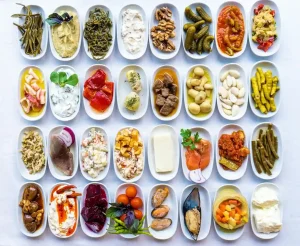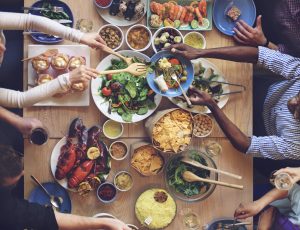
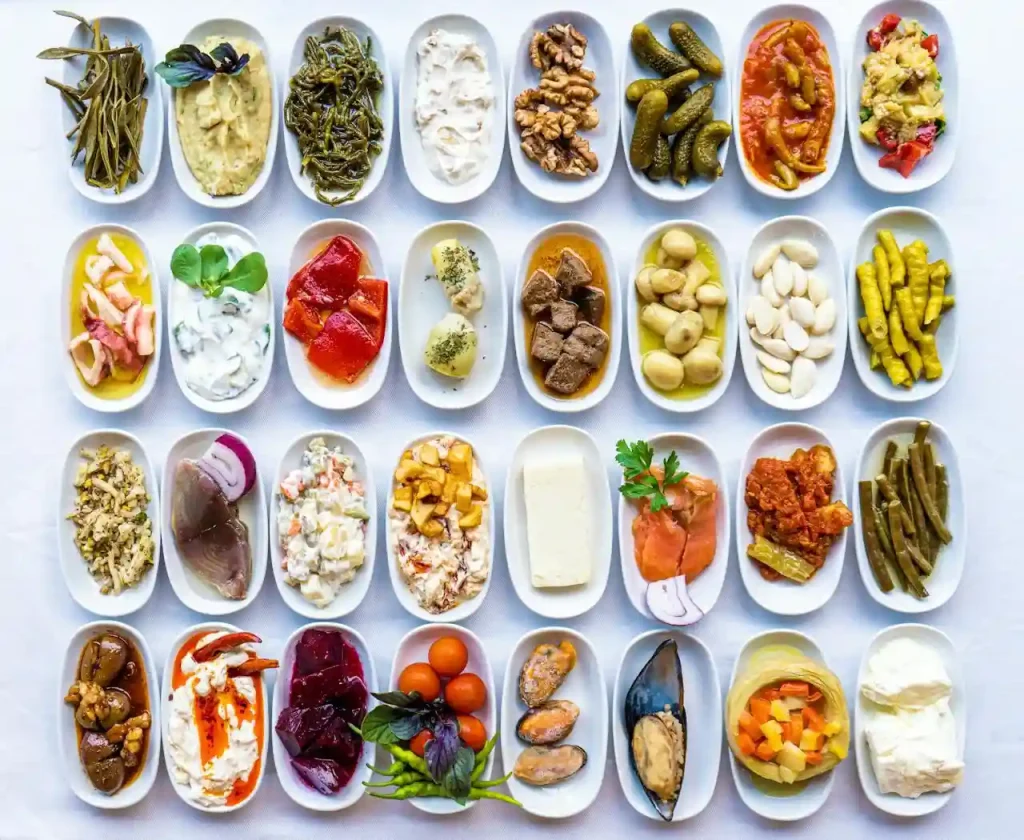
There’s nothing quite like the moment guests reach the buffet and find something made just for them. Mediterranean food has that magic. It’s generous, varied, and naturally built for a crowd. The challenge is making sure every guest feels included, not just most of them.
Let Guests Build Their Own Bowls
A build-your-own bowl station solves more problems than almost anything else on your setup list. Keep the grains, proteins, vegetables, and sauces in completely separate vessels. That way, someone avoiding gluten stays away from couscous without having to ask, and a guest who wants extra tahini can just take it.
When planning mediterranean cuisine catering for a mixed crowd, this format gives people control. Control makes people happy. It also removes the pressure of guessing what every guest wants — because now they tell you with their plate.
Offer both Mild and Bolder Proteins Side by Side
Lemon and herb chicken is approachable. Spiced lamb with harissa is exciting. Both belong on your menu, placed right next to each other. Some guests want comfort; others want something with heat and depth. Giving them both means nobody has to compromise.
Label each protein with its flavor profile, not just its name. “Lemon chicken, mild, citrusy” tells someone more than “grilled chicken” ever could. That small detail changes how people interact with the food.
Set Up a Hummus and Pita Bar Guests Can Customize
A hummus bar is one of the most crowd-friendly things on the table. Set out a few hummus varieties, like classic, roasted red pepper, maybe a black olive version, and let guests choose their toppings. Toasted pine nuts, olive oil, chopped cucumber, pickled onions. Let them pile on what they love.
Pita works for most guests, but having plain crackers or vegetable dippers nearby means gluten-sensitive guests are included without a separate conversation. The bar does the accommodating for you.
Make Dairy-Free and Gluten-Free Versions Standard
Tzatziki is easy to love, but dairy makes it off-limits for some guests. A coconut yogurt or cashew-based version tastes close enough that most people won’t notice the difference, and those who need it will absolutely notice it’s there.
Same idea applies to falafel. Traditional falafel is already naturally vegan, but some recipes include flour as a binder. Use a chickpea-only recipe and it becomes gluten-free without sacrificing anything. These small adjustments add real inclusivity to the spread.
Put Vegan Dishes at the Front of the Buffet Line
This one is practical, not philosophical. When vegan and vegetarian dishes sit at the back of the line, they risk being passed over or, worse, contaminated by serving spoons that touched meat dishes earlier.
Placing plant-based options first means guests with dietary restrictions have first access to clean, uncontaminated food. It also signals that those dishes deserve attention, not just a polite nod at the end of the table. Many guests who eat meat will fill a good portion of their plate with those dishes simply because they saw them first.