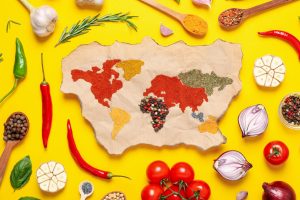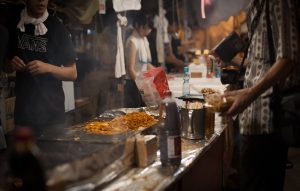
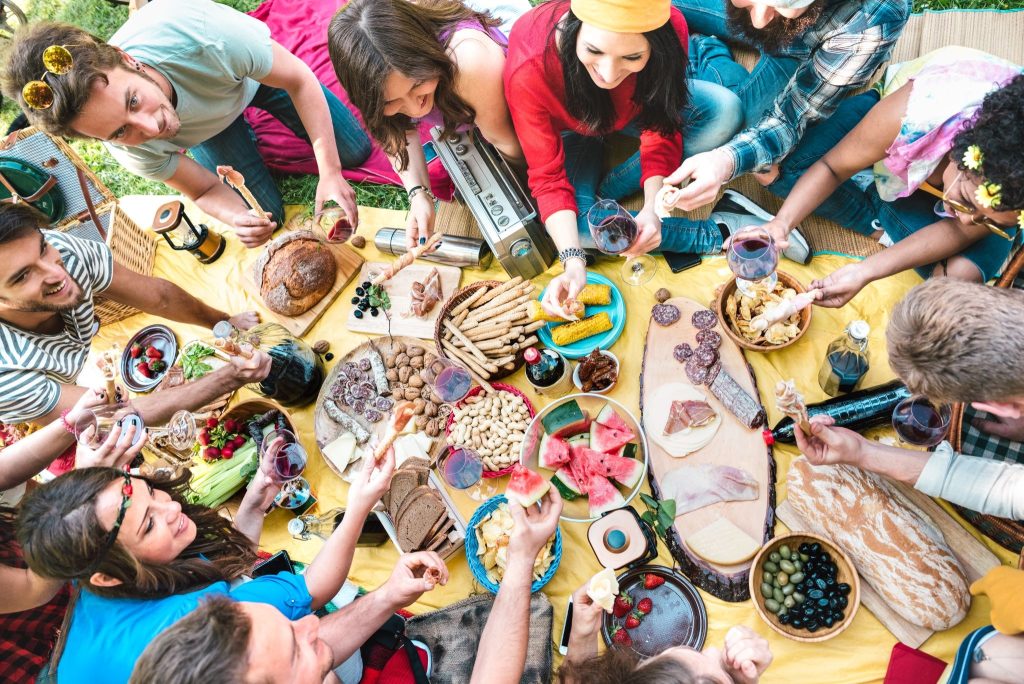
Global food culture refers to how food practices, cuisines, and eating habits are shared, influenced, and transformed across countries. In today’s interconnected world, food is no longer limited by geography. What people eat in one region can quickly become popular across the globe. Food is more than nourishment. It reflects identity, tradition, and social behavior. It also connects people through shared experiences. A meal can represent heritage, migration, or even global trends. In modern society, food has become a universal language that crosses cultural boundaries. Global food culture shapes how people eat, cook, and think about food. It influences restaurants, home cooking, food media, and even global trade systems. Understanding it helps explain how societies evolve socially and economically.
Historical Roots of Global Food Exchange
Early trade routes and spice movements
The foundation of global food culture began with early trade routes. The Silk Road and maritime spice routes connected Asia, Europe, and Africa. Spices like pepper, cinnamon, and cloves were highly valued and widely traded. These exchanges introduced new flavors and ingredients to different regions. They also changed local cooking styles permanently. Food became one of the earliest forms of global interaction.
Colonization and the spread of ingredients
Colonization played a major role in spreading food across continents. Crops like potatoes, tomatoes, maize, and cocoa were introduced to new regions. These ingredients became essential in many national cuisines. While this exchange enriched diets, it also came with complex historical consequences. Food systems were often reshaped by power, trade control, and cultural dominance.
Migration and cultural food blending
Migration continues to shape global food culture today. People bring their traditional foods when they move. Over time, these foods blend with local ingredients and cooking styles. This creates hybrid cuisines that reflect cultural diversity. Many modern dishes are the result of migration and adaptation over generations.
How Globalization Has Transformed Eating Habits
Globalization has made food more accessible and diverse. International restaurant chains now exist in almost every country. Fast food culture has become a global phenomenon. At the same time, fusion cuisine has grown in popularity. Chefs combine flavors from different cultures to create new dishes. This experimentation reflects how global food culture continues to evolve. However, globalization also creates tension. Traditional foods sometimes lose popularity as global brands dominate markets. This raises concerns about cultural preservation. Despite this, many societies are actively working to protect local food traditions while still engaging with global influences.
Role of Media and Technology in Food Culture
Social media influence on food trends
Social media has dramatically changed global food culture. Platforms like Instagram, TikTok, and YouTube shape what people eat and how they discover food. Viral food trends can spread worldwide in days. Visual appeal has become important in food presentation. Restaurants now design dishes that look good on camera as well as taste good.
Food blogging, influencers, and digital gastronomy
Food influencers and bloggers play a major role in shaping public opinion. They review restaurants, share recipes, and highlight global cuisines. This digital exposure helps smaller food cultures reach global audiences. Digital gastronomy has also grown as a field, blending technology, storytelling, and culinary art.
Food delivery apps and changing consumption patterns
Food delivery apps have changed how people access meals. Convenience has become a key factor in food choices. This shift has increased demand for fast, ready-to-eat options while also expanding access to international cuisines.
Economic Impact of Global Food Culture
Global food culture is a major economic force. The food industry is one of the largest global markets. It includes agriculture, processing, restaurants, and tourism. International trade allows countries to export and import food products widely. This creates economic interdependence between nations. Food tourism is another growing sector. People travel specifically to experience local cuisines. This supports local businesses and promotes cultural exchange. At the same time, global demand can pressure local producers to scale up or adapt their practices to international standards.
Cultural Identity and Food in a Globalized World
Food remains a strong symbol of cultural identity. Even in a globalized world, people connect deeply with traditional dishes. These foods represent history, family, and heritage.
Diaspora communities and food memory
For diaspora communities, food is a powerful link to home. Traditional recipes are preserved across generations. They help maintain cultural identity even in new environments. Food becomes a form of memory and emotional connection. It carries stories of migration and belonging.
Food festivals and cultural representation
Food festivals celebrate cultural diversity. They showcase traditional dishes and cooking methods. These events help people understand and appreciate different cultures. They also promote cultural pride and community engagement.
Social Changes Driven by Global Food Culture
Global food culture has changed how people eat and interact socially. Family meals are becoming less frequent in some urban areas. Busy lifestyles have increased reliance on convenience foods. Urbanization has also led to the rise of multicultural dining spaces. Cities now offer a mix of global cuisines in one place. People are more open to trying international dishes than ever before. This reflects a shift toward cultural openness and curiosity.
Challenges of Global Food Culture
While global food culture brings diversity, it also creates challenges. One major issue is the loss of traditional cooking knowledge. As modern foods become popular, older recipes may disappear. Health concerns are another challenge. Processed and fast foods are often high in sugar, salt, and fats, contributing to global health issues. Environmental impact is also significant. Global food systems require transportation, packaging, and large-scale production, increasing carbon emissions and resource use. Balancing convenience, culture, and sustainability is an ongoing challenge.
Future of Global Food Culture
The future of global food culture is shifting toward sustainability and innovation. Plant-based diets are becoming more popular. Alternative proteins such as lab-grown meat are also emerging. Sustainable farming practices are gaining attention. People are more aware of where their food comes from and its environmental impact. Technology will continue to influence food production and consumption. Smart farming, AI-based food systems, and personalized nutrition are expected to grow. At the same time, there is a strong movement to preserve traditional cuisines. The future will likely combine innovation with cultural preservation.
Final Reflection on Global Food Culture
Global food culture is constantly evolving. It reflects how societies connect, trade, and adapt. Food is no longer just local. It is global, shared, and constantly changing. At its core, food still carries cultural meaning. It represents identity, history, and community. Even as new trends emerge, traditional foods remain important. The challenge for modern societies is balance. Embracing global influences while preserving cultural roots is key. This balance ensures that food continues to connect people across borders while respecting cultural diversity. Global food culture is not just about what we eat. It is about who we are and how we live together in a connected world.