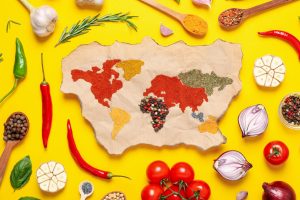

A food travel guide is a specialized travel resource that focuses on helping travelers explore destinations through food. Instead of only listing landmarks or hotels, it highlights restaurants, street food markets, local dishes, and culinary traditions. It connects travel with taste, culture, and everyday eating habits. Unlike general travel guides, a food travel guide focuses on what and where to eat. It helps travelers understand a destination through its cuisine. This includes identifying signature dishes, local ingredients, and food customs. In modern travel, food is no longer a secondary experience. Many people now choose destinations based on culinary reputation. A food travel guide helps shape these decisions and makes food exploration more structured and meaningful.
The Evolution of Food Travel Guides Over Time
Early travel writing and culinary exploration
In the past, food travel information came from explorers, writers, and historians. Early travel journals often described local cuisines as part of cultural observations. These descriptions helped future travelers understand regional food habits.
Rise of digital food content and review platforms
With the internet, food travel guides became more accessible. Websites and review platforms began listing restaurants and local food experiences. Travelers could now compare options before arriving at a destination.
Influence of social media and real-time recommendations
Today, social media plays a major role in shaping food travel guides. Platforms like Instagram and TikTok highlight trending food spots in real time. Travelers often rely on visual content and influencer recommendations when planning their food experiences.
Core Elements of a Reliable Food Travel Guide
A good food travel guide includes several essential components. It highlights local cuisine and explains signature dishes unique to a region. It also provides restaurant recommendations, including street food vendors and fine dining options. Cultural context is another important element. Understanding why certain foods are eaten helps travelers appreciate the experience more deeply. A reliable guide also includes budget considerations. It helps travelers choose between affordable local meals and premium dining experiences depending on their travel style.
Why Food Travel Guides Are Important for Travelers
Enhancing cultural understanding through food
Food is one of the most direct ways to understand a culture. A food travel guide helps travelers connect with local traditions, ingredients, and cooking methods. It turns meals into cultural learning experiences.
Helping travelers avoid tourist traps
In many destinations, tourist-heavy restaurants may not offer authentic food. A food travel guide helps travelers find places where locals actually eat. This leads to more genuine and satisfying experiences.
Saving time in unfamiliar destinations
Travelers often have limited time. A food travel guide reduces confusion by providing curated recommendations. This makes it easier to plan meals without spending hours searching for options.
How Food Travel Guides Shape Travel Decisions
Food has become a major factor in choosing travel destinations. Many travelers select cities specifically for their culinary reputation. A food travel guide influences expectations before arrival. It helps travelers decide what dishes to try and which places to visit. It can even shape entire itineraries around food experiences. For example, someone interested in street food may prioritize destinations known for night markets, while another traveler may focus on fine dining cities.
Exploring Authentic Local Food Through Guides
Authenticity is one of the main reasons people use a food travel guide. These guides often highlight street food markets and hidden gems that are not widely advertised. Local eateries are usually preferred over international chains because they offer traditional flavors. These places reflect everyday eating habits of local communities. Seasonal and regional specialties are also important. Many dishes are only available during certain times of the year, and food guides help travelers discover them.
Role of Technology in Modern Food Travel Guides
Technology has transformed how people use food travel information. Mobile apps allow travelers to discover restaurants based on location and reviews. GPS-based systems help identify nearby food options instantly. Online platforms provide crowd-sourced ratings, making it easier to compare dining choices. Real-time updates also help travelers avoid closed or overcrowded places. Technology has made food travel guides more interactive, personalized, and accessible than ever before.
Challenges and Limitations of Food Travel Guides
Despite their usefulness, food travel guides are not perfect. One common issue is outdated information. Restaurants may change menus, close, or relocate, making some recommendations unreliable. Bias is another challenge. Some guides prioritize popular or sponsored locations rather than authentic local spots. Over-tourism is also a growing issue. When a food place becomes too popular through guides or social media, it can lose its authenticity and become overcrowded. Additionally, some guides lack deep local insight, especially those created without firsthand experience.
How to Use a Food Travel Guide Effectively
To get the best results, travelers should not rely on a single food travel guide. It is better to combine multiple sources, including local advice and personal exploration. Flexibility is also important. While guides provide structure, unexpected discoveries often create the most memorable food experiences. Verifying information across different platforms helps ensure accuracy. Reading recent reviews and checking updated content can prevent disappointment. Ultimately, a food travel guide should be used as a starting point, not a strict rulebook.
Final Reflection on the Value of Food Travel Guides
A food travel guide is more than a list of restaurants. It is a bridge between culture, travel, and personal experience. It helps travelers understand destinations through flavor and tradition. Food plays a central role in travel because it connects people to local life in a direct and meaningful way. A well-used guide enhances this connection by making food exploration easier and more intentional. However, the best travel experiences often come from balancing planning with spontaneity. While guides provide direction, real discovery happens when travelers explore beyond recommendations.
Conclusion
In the end, a food travel guide is an essential companion for anyone who wants to experience a destination beyond sightseeing. It transforms travel into a deeper cultural journey where food becomes the main storyteller. By combining structure with curiosity, travelers can use these guides to discover authentic flavors, avoid common pitfalls, and connect more meaningfully with local culture. A good food travel guide does not limit exploration, it enhances it, making every meal part of a richer and more memorable travel experience.