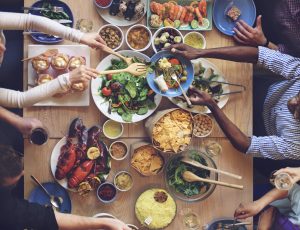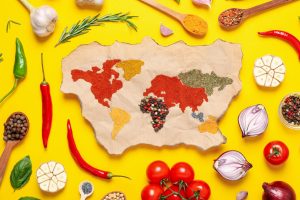
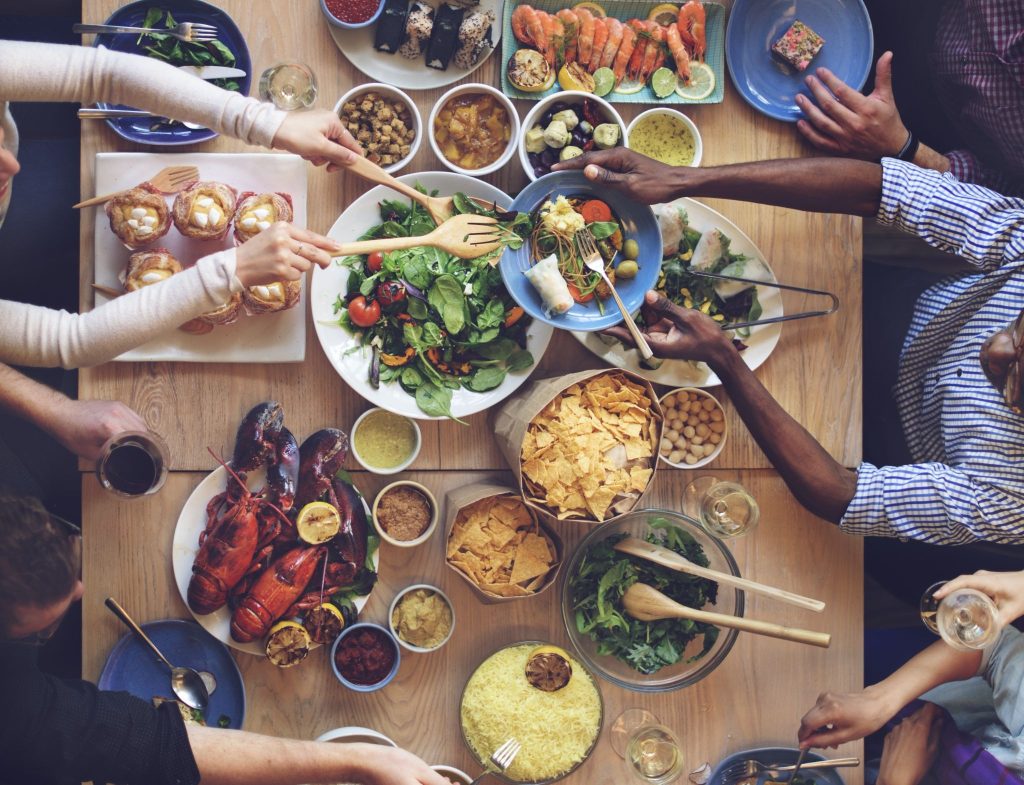
Global dining etiquette refers to the customs, manners, and behavioral expectations people follow while eating in different cultures. These rules are not universal. They change depending on geography, history, and social values. What is considered polite in one country may be seen as inappropriate in another. Dining etiquette is more than table manners. It reflects respect, tradition, and identity. It also shows how societies view hospitality, hierarchy, and community. In many cultures, eating together is a deeply social act, not just a daily routine. Understanding global dining etiquette is important for travelers, professionals, and anyone interacting across cultures. It helps avoid misunderstandings and builds stronger social connections.
Historical Roots of Dining Etiquette Around the World
Ancient civilizations and early table manners
The origins of dining etiquette can be traced back to ancient civilizations. In societies like China, Egypt, and Rome, meals were structured by social class and tradition. Rules developed to maintain order and respect during shared meals. These early systems influenced modern table manners in many regions.
Influence of royal courts and aristocratic dining rules
Royal courts played a major role in shaping formal dining etiquette. In Europe, aristocratic households developed strict rules for behavior at the table. These included seating arrangements, utensil use, and conversation etiquette. Many of these traditions still influence formal dining today.
Religious traditions shaping eating behavior
Religion has also strongly influenced global dining etiquette. Many faiths include guidelines on food preparation, eating habits, and rituals. For example, Islamic, Hindu, and Jewish traditions include specific dietary rules and blessings before meals. These practices reflect respect and gratitude for food.
Core Differences in Dining Etiquette Across Regions
Dining etiquette varies widely across the world. In Europe, meals are often structured and formal, especially in fine dining settings. Multiple utensils are used, and meals follow a specific order. In Asia, dining is often communal. Food is shared, and chopsticks are commonly used. In countries like China and Japan, table manners emphasize harmony and respect for others. In the Middle East, hospitality is central. Meals are often shared from large communal plates, and guests are treated with great generosity. In the Americas, dining etiquette is generally more relaxed and influenced by multicultural traditions. Restaurant culture is casual in many places, but formal settings still follow Western table manners.
Table Manners and Cultural Expectations in Detail
Seating arrangements and guest hierarchy
In many cultures, seating at the table reflects social hierarchy. Important guests or elders are often seated in the most honored positions. In formal settings, this arrangement shows respect and status. Ignoring seating customs can sometimes be considered disrespectful.
Use of utensils vs hands in eating culture
The use of utensils varies significantly. In Western cultures, forks, knives, and spoons are standard. In many Asian and African cultures, chopsticks or hands are commonly used. Eating with hands is often seen as traditional and respectful in certain regions, not informal.
Pace of eating and meal duration differences
Meal pace also differs across cultures. In some countries, meals are quick and efficient. In others, dining is slow and social. Mediterranean cultures, for example, value long meals with conversation. Fast eating may be seen as rude in such contexts.
Role of Hospitality in Global Dining Etiquette
Hospitality is a key part of global dining etiquette. In many cultures, offering food is a sign of respect and friendship. Guests are often served first and encouraged to eat generously. Refusing food can sometimes be considered impolite, depending on the culture. In Middle Eastern and South Asian traditions, hospitality is especially important. Hosts often go out of their way to ensure guests are well-fed and comfortable. Sharing food is seen as a way to build trust and social bonds. Hospitality also extends beyond food itself. The way guests are welcomed, seated, and treated reflects cultural values and social warmth.
Religious and Traditional Influences on Dining Behavior
Religious beliefs strongly shape dining behavior in many societies. Dietary restrictions such as halal, kosher, or vegetarian practices influence what people eat and how food is prepared. Rituals before meals, such as prayers or blessings, are common in many faiths. These rituals show gratitude and respect for food. Festivals and religious celebrations often include special meals. These meals carry symbolic meaning and strengthen community bonds. Dining etiquette in these contexts is not just about manners. It is deeply connected to spiritual and cultural identity.
Modern Changes in Global Dining Etiquette
Globalization has significantly changed global dining etiquette. People now travel more frequently and experience different cultures firsthand. This has led to greater awareness and adaptation of dining customs. Restaurant culture has also become more international. Many dining spaces now blend etiquette styles from different cultures. Social media has influenced how people eat and present food. Sharing meals online has created new expectations around food presentation and dining behavior. Despite these changes, traditional etiquette remains important in formal and cultural settings.
Misunderstandings and Cultural Etiquette Mistakes
Travelers often make mistakes when unfamiliar with local dining etiquette. Simple actions like using the wrong hand, starting a meal too early, or refusing food can be misinterpreted. What is polite in one culture may be rude in another. For example, in some countries, finishing all food on your plate shows appreciation. In others, it may imply the host did not provide enough food. Understanding these differences is essential. Observing locals and asking politely can help avoid misunderstandings. Cultural sensitivity is key when dining in unfamiliar environments.
Why Understanding Global Dining Etiquette Matters
Understanding global dining etiquette improves communication and respect between cultures. It is especially important for international travel and business interactions. Proper etiquette helps build trust and positive relationships. In professional settings, knowing dining customs can influence impressions and opportunities. It also enhances travel experiences by helping individuals connect more deeply with local culture. Dining etiquette is not just about rules. It is about respect, awareness, and adaptability. Learning these differences helps people navigate global interactions more confidently.
Final Reflection on Global Dining Etiquette
Global dining etiquette shows how diverse human cultures are, even in something as universal as eating. While food connects people, the way it is shared reflects unique cultural values. Modern society is becoming more interconnected, but traditional dining customs still play an important role. Balancing respect for tradition with modern global influences is essential. Dining remains both a personal and cultural experience. Understanding etiquette helps people appreciate diversity and avoid misunderstandings. In the end, dining is not just about food. It is about connection, respect, and shared human experience across cultures.
FAQs
1. What is global dining etiquette?
Global dining etiquette refers to cultural rules and customs that guide how people behave during meals in different countries and social settings.
2. Why does dining etiquette vary across cultures?
It varies due to history, religion, geography, and social values, which shape how societies view food, hospitality, and table manners.
3. Is using hands to eat considered rude?
Not always. In many cultures, eating with hands is traditional and respectful, while in others, utensils are expected for proper etiquette.
4. How does religion influence dining etiquette?
Religions often set dietary rules, meal rituals, and blessings that guide how food is prepared and consumed in daily life.
5. Why is it important to learn dining etiquette before traveling?
It helps avoid misunderstandings, shows respect for local culture, and improves social and professional interactions while traveling internationally.